Thursday, November 6, 2025 Conservation & Community Edition
Ambururu Cultural Quarterly

Preserving Nature · Honouring Heritage · Building Community

Volume IX · Issue 5 · November 2025 · Riparian Restoration Special
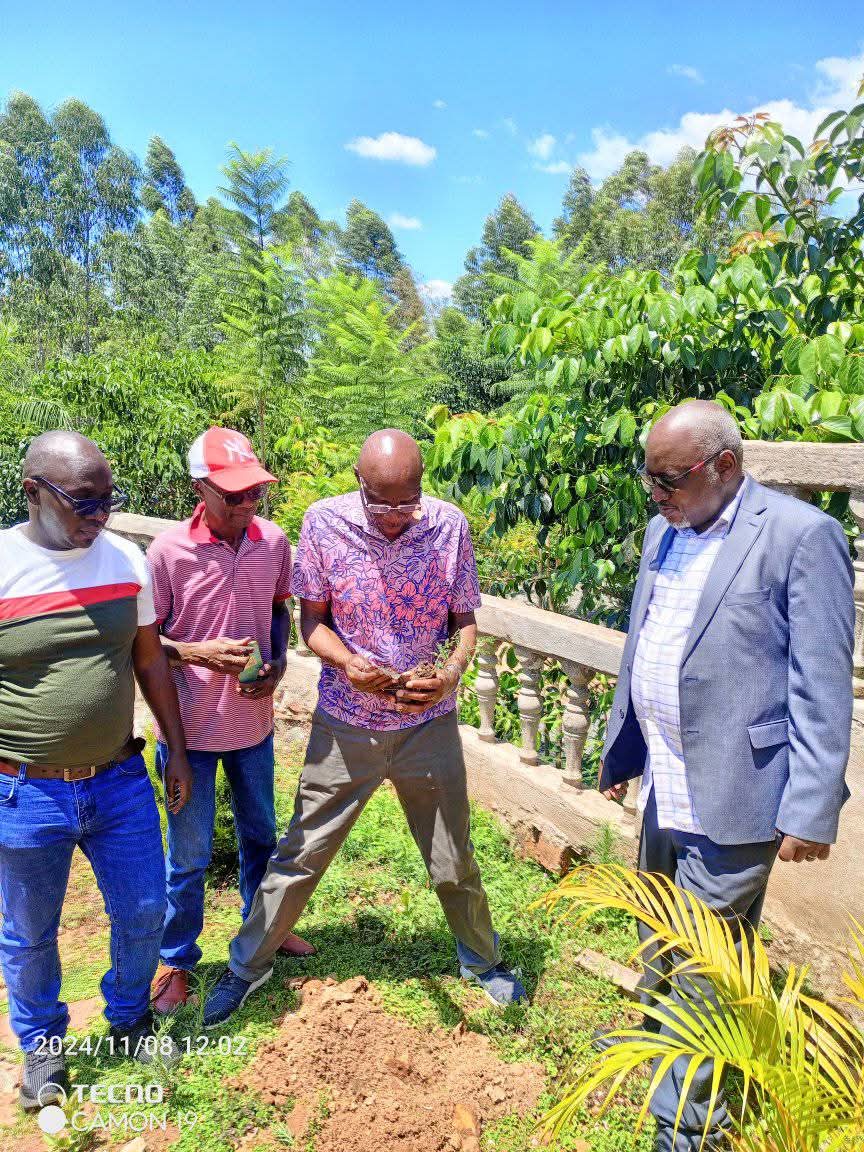
Volunteers planting indigenous trees along the Yala River
Conservation Report
3,000+
Trees Planted
15+
Indigenous Species
1,000
March 2026 Target

Reviving the Heart of Ambururu

Along the banks of the Yala River, a quiet revolution is taking root. Tree by tree, community by community, Ambururu Waterfalls Conservancy is restoring what generations of encroachment erased — and the river is beginning to sing again.

November 3, 2025 · Ambururu Cultural Quarterly
6 min read · Musanda, Siaya County, Kenya
"Planting a tree is like planting hope for our children. The river gives us life; we must give back."
— Elder Otieno, Local Community Leader · Musanda, Siaya County
The River's Story

A Corridor Lost

Long ago, the Yala River flowed through a verdant corridor of acacias, figs, and warburgias. Elders from the Luo community recall abundant wildlife, crystal-clear waters, and fertile banks that sustained villages for generations.

As farming encroached on the shores and grazing stripped the vegetation bare, the riparian zone began to collapse — soil washed away, silt clouded the pools, and the waterfalls grew quieter.

The Turning Point

Through the Care, Share, and Explore Program and a landmark partnership with TreeSisters, Ambururu planted thousands of indigenous trees along the degraded banks. These aren't ornamental plantings — they are ecological infrastructure.

Species like bamboo bind soils and absorb floods. Fruit-bearing figs attract birds and pollinators. The river's corridor is slowly rebuilding itself.

A Revival Begins

The falls are louder now. The pools are clearer. Bird counts along the riparian corridor have risen year on year. The African Fish Eagle — silent here for a decade — was spotted again in October 2025.

This is the story of Ambururu's revival. It is still being written, one seedling at a time, and the next chapter begins in March 2026.


Why We Plant
🌊
Erosion & Flood Control

Tree roots grip the soil like ancient anchors. Bamboo retains water and filters sediments, proven along the Mara River basin.

🦅
Biodiversity Boost

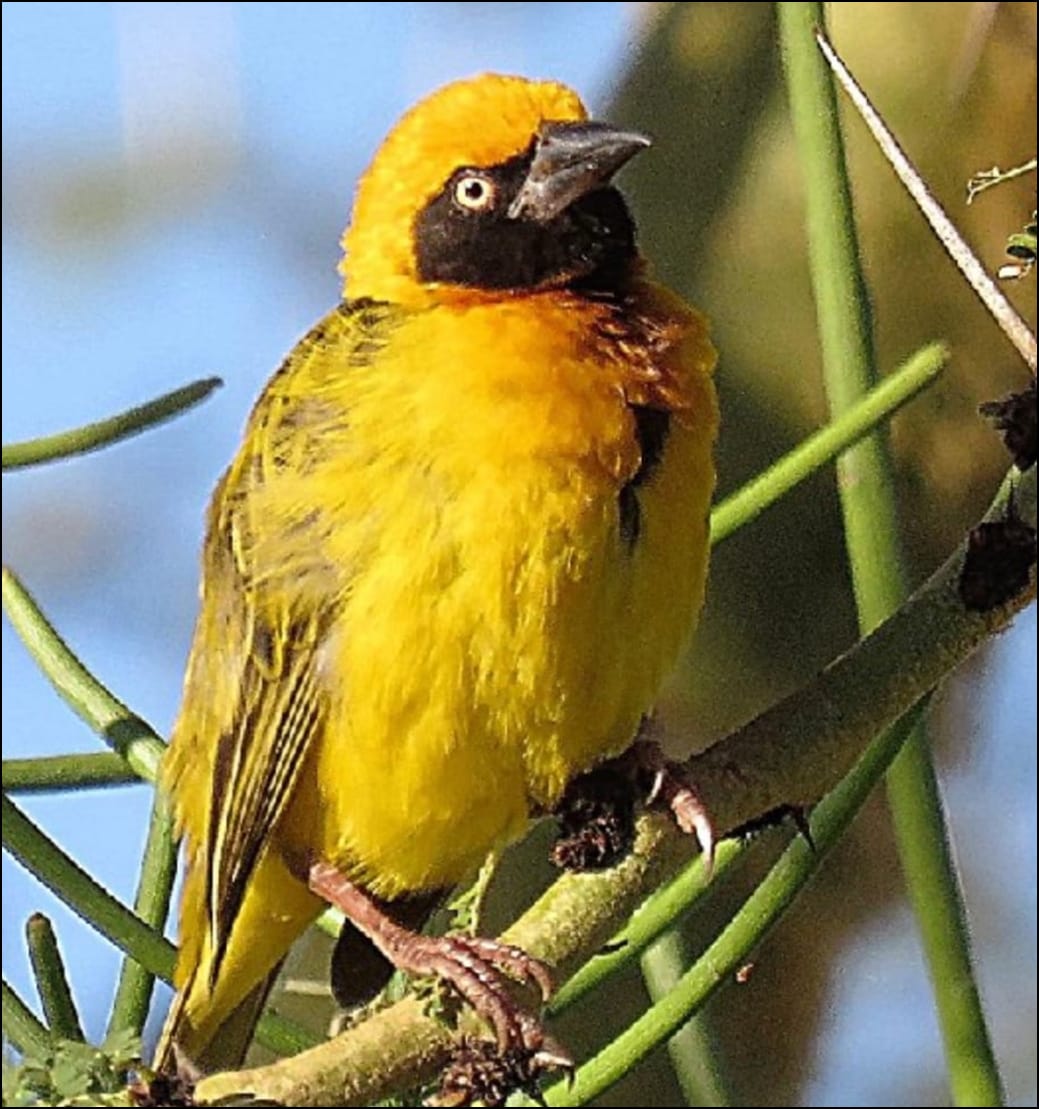
Riparian forests support endangered birds, insects, and mammals. African Fish Eagles and rare trogons are returning to Ambururu.

💧
Water Quality

Trees act as natural filters, absorbing pollutants and regulating stream flows, keeping the waterfall pools pristine.

🌡️
Climate Resilience

As carbon sinks, planted trees contribute to Kenya's 15-billion-tree goal by 2032, reducing evaporation and cooling air temperatures.

👐
Community Livelihoods

Trees mean jobs — from nurseries to eco-tourism — and sustainable resources like fruits and timber for local families.


The Restoration Work

Thousands of trees planted along degraded banks have turned barren soil into a living, breathing habitat corridor.

Ambururu Conservation Report, 2025

Standing at the edge of a roaring waterfall, mist kissing your face, surrounded by a lush canopy of indigenous trees — this is Ambururu Waterfalls Conservancy as it was always meant to be. But this scene was far from guaranteed. A decade of intensified land use had stripped the riverbanks nearly bare.

The reversal began quietly: a few hundred seedlings, a handful of volunteers, a borrowed nursery. Over successive seasons, those seedlings became saplings, and the saplings became canopy. The programme now plants thousands of trees per cycle, sourcing species from local nurseries and training community members as stewards of the restored zones.

Each planting event doubles as a cultural gathering. Elders share stories of the old forest under newly planted trees. Children from local schools learn species identification and soil science. Women's groups manage the nurseries and earn income from their labour. Conservation here is not a project imposed from outside — it grows from within the community, like the trees themselves.
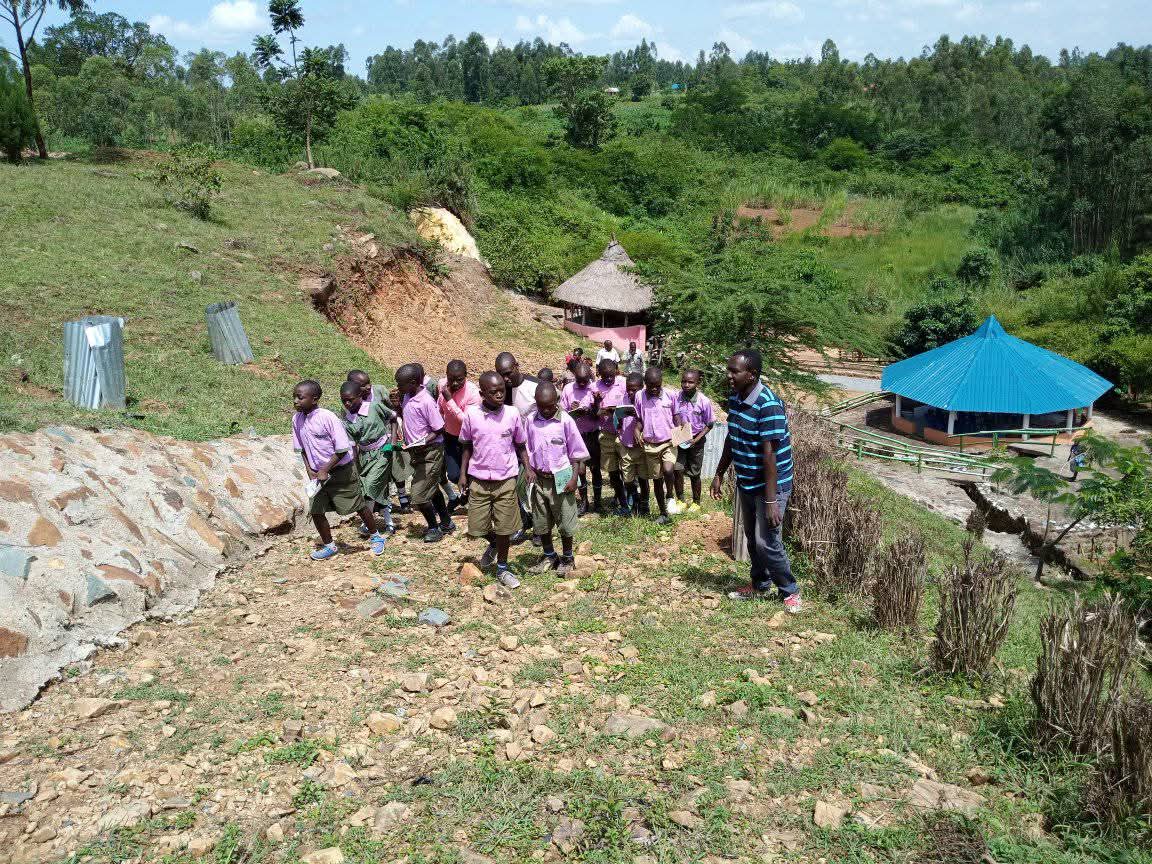

Riparian restoration along the Yala River

From Barren Banks to Breathing Forest

The before-and-after transformation of Ambururu's riparian zone captures what targeted, community-led conservation can achieve in just a few seasons.

The Trees We Plant

Indigenous Species Catalogue · Ambururu Riparian Restoration Programme

01
African Bamboo
Arundinaria alpina
Erosion Control · Water Retention
02
Strangler Fig
Ficus thonningii
Biodiversity Keystone · Bird Habitat
03
Cape Chestnut
Calodendrum capense
Shade · Pollinator Magnet
04
Warburgia
Warburgia ugandensis
Medicinal · Riparian Buffer
05
Nandi Flame
Spathodea campanulata
Canopy · Wildlife Corridor
06
African Olive
Olea europaea africana
Long-lived · Carbon Storage
07
Wild Date Palm
Phoenix reclinata
Waterside Stabiliser · Food Source
08
Acacia
Vachellia sieberiana
Nitrogen Fixer · Shelter
A Decade of Restoration
2015
Programme Inception
First community nursery established. Initial 200 seedlings raised from local seed stock. Partnerships with Siaya County government formed.
2018
TreeSisters Partnership
International partnership with TreeSisters unlocks funding for large-scale planting. 800 trees planted along the most eroded sections of the Yala riverbank.
2020
Care, Share & Explore
Launch of the Care, Share and Explore community programme. Local schools formally integrated into planting drives. Women's nursery cooperatives begin operating.
2023
3,000 Trees Milestone
Cumulative plantings surpass 3,000 trees across the riparian corridor. First confirmed sighting of returning African Fish Eagle.
2026
Next Milestone: 1,000 More
March 2026 planting drive targets 1,000 additional trees. Corporate sponsors invited. Volunteer registrations open now.

Join the Movement

Participating in a tree planting at Ambururu is more than an environmental act — it is a cultural immersion. Feel the earth between your fingers along the banks of the Yala. Hear the birdsong intensify with each season's growth. Share the ground with elders who remember the forest as it was and can finally see it returning.

The health benefits are real and immediate: fresh air, physical activity, communal purpose, and the deep satisfaction of leaving something behind that will outlive you. As Kenya's national government calls on all citizens to adopt a tree-growing culture, Ambururu offers a place where that call is already being answered.

Our March 2026 drive aims for 1,000 additional trees across the most vulnerable sections of the riparian corridor. Sponsors receive named plaques at the waterfall. Volunteers receive certificates and a guided walk. Every participant receives a story worth telling.

The river gave this community everything. Now it is asking for a little back. Contact us to register for March 2026, or donate below and plant a tree today.

Plant a Tree.
Leave a Legacy.

Every shilling you give becomes roots in the ground, shade over the water, and a home for wildlife along the Yala River. Join thousands of conservationists who have already made their mark at Ambururu.

Stay close to the forest

Subscribe to receive planting event invitations, conservation updates, and stories from the Yala River corridor — direct to your inbox.

✦   ✦   ✦